New consumer research from SCAYLE has revealed growing discomfort among US shoppers with how retailers are deploying artificial intelligence, alongside increasing pressure on brands to deliver value, flexibility, and trust.
According to the survey of over 1,500 US consumers, 71% expressed unease about certain AI-driven tools used in retail. Only 18% said they weren’t uncomfortable with these technologies.
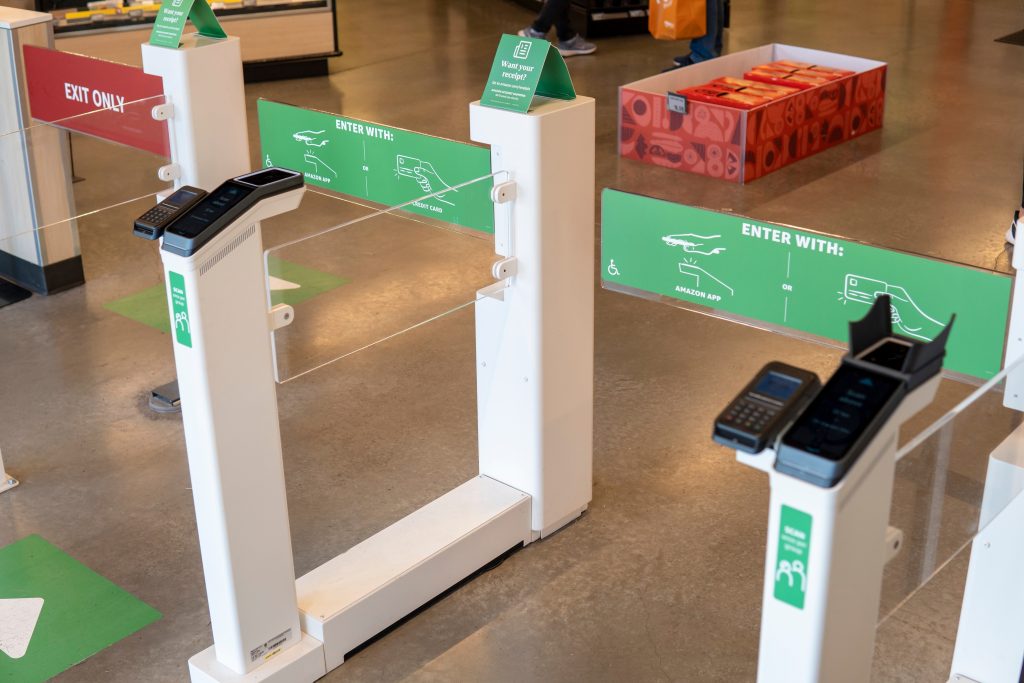
Facial recognition emerged as a top concern, flagged by 32% of respondents, while 30% said they were uneasy about AI-generated product images or models, and the same share voiced concern over AI-powered customer service chatbots.
Despite these concerns, shoppers do recognise some benefits of AI.
One in four respondents cited customer service as the area where AI could deliver the most value, while 19% highlighted product discovery.
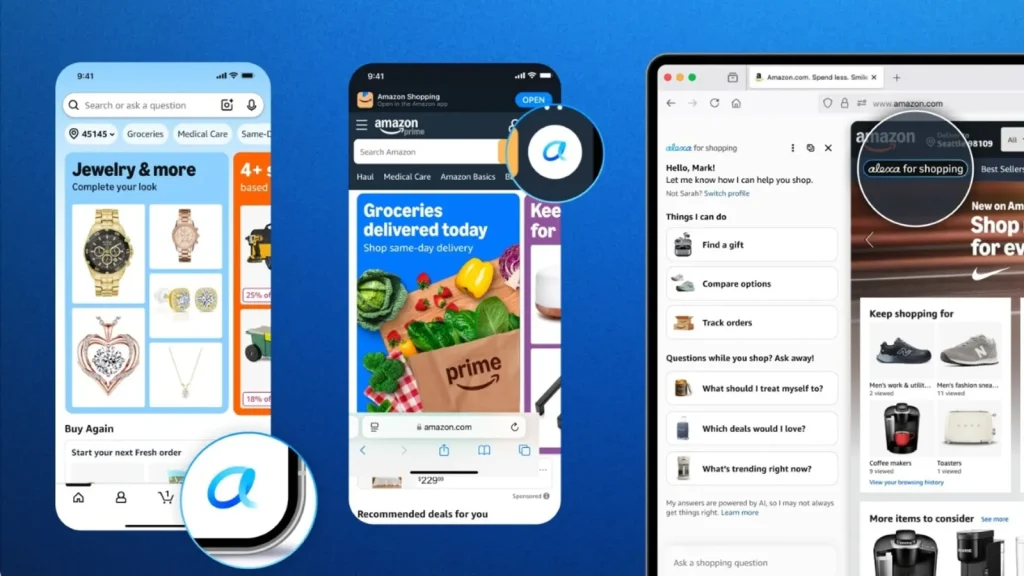
In contrast, only 8% believed convenience features like voice commerce or shopping assistants would significantly enhance their experience.
Product quality remains the top priority for 53% of shoppers, followed by competitive pricing (38%) and strong customer service (31%).
When it comes to loyalty programmes, nearly half (49%) want access to regular discounts, while 36% favour additional perks such as free shipping or buy now, pay later options.
Meanwhile, 35% said loyalty schemes should be cost-free to join.
Daniel Fertig, Director of Partnerships at SCAYLE, said the findings reflect broader consumer sentiment amid ongoing economic uncertainty.
“We know US retailers are facing a challenging landscape right now, with a turbulent economic climate reducing consumer purchasing power, and tariffs set to squeeze bottom lines even further,” he noted.
“But our research shows that shoppers’ concerns go beyond just costs. Many retailers are betting big on emerging tech like AI to improve customer experience, so it’s interesting to hear that customers don’t feel this is currently paying off,” Fertig continued. “Brands need to continue investing in AI to get ahead – but it’s clear customers want to see it used for product discovery and improving customer service, rather than AI-generated images or chatbots.”
Fertig added that brands have an opportunity to address immediate consumer concerns. “The biggest takeaway is that – even during uncertain times, there are some immediate pain relievers for brands, like implementing AI solutions customers actually want, introducing incentive-driven loyalty programmes, and prioritising product quality.”
The research also highlights just how vital payment flexibility has become.
A staggering 76% of online shoppers say they’re likely to abandon their carts if their preferred payment method isn’t available, underscoring that alternative payment options are now essential, not optional.
In terms of shopping habits, a hybrid approach is preferred by most. While 57% favour a mix of online and physical retail, the most valued omnichannel services include ‘buy online, pick up in-store’ (38%) and ‘buy online, return in-store’ (37%).
Click here to sign up to Retail Gazette‘s free daily email newsletter