
Walmart says it will do everything it can to maintain its hallmark low prices, but stopped short of promising to shield consumers entirely from the cost of President Donald Trump’s new tariffs, despite direct pressure from the White House.
Over the weekend, Trump publicly criticised the retail giant on his social platform, claiming Walmart was “blaming tariffs for raising prices” and urging the company to “eat the cost.”
The remarks follow recent warnings from Walmart and other major retailers that the latest round of tariffs could leave them little choice but to pass on some of the increases to consumers.
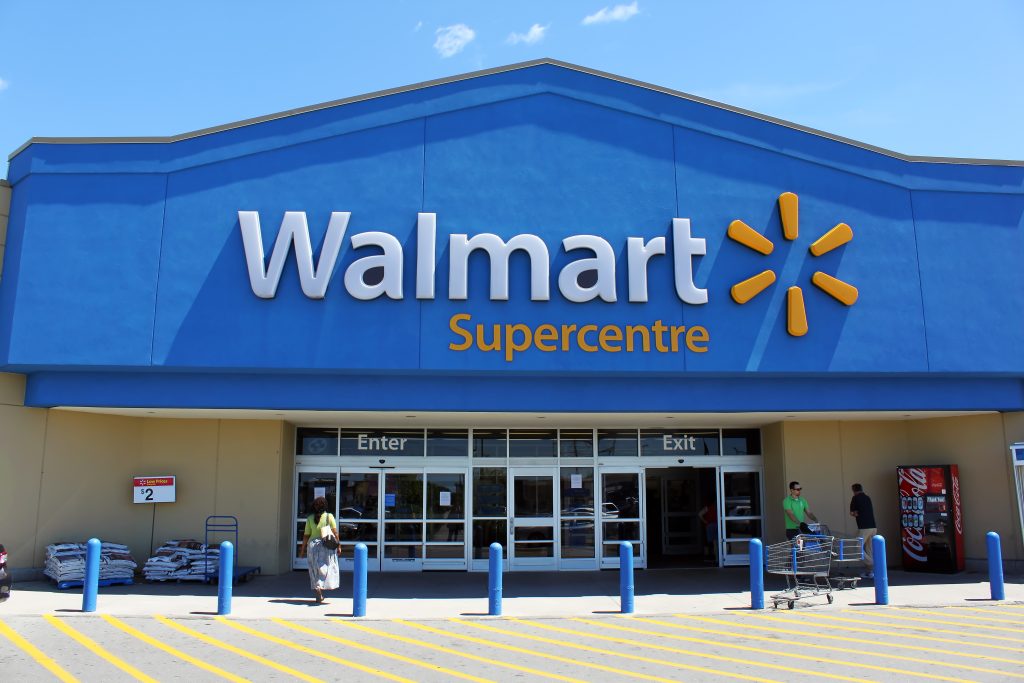
In a response issued Monday, a Walmart spokesperson acknowledged the challenge ahead: “We have always worked to keep our prices as low as possible, and we won’t stop.
We’ll keep prices as low as we can for as long as we can, given the reality of small retail margins.”
Trump’s global tariff policy, announced in April, imposed a 10% baseline duty on imports from most countries, with harsher “reciprocal” tariffs, originally as high as 145%, targeting key trading partners like China, Japan, South Korea, and India.
The move rattled global markets and sparked widespread concern about rising prices and the potential for a consumer spending slowdown.
While the administration has since scaled back some of the proposed tariffs, China’s rate, for instance, was reduced to 30% and many global levies delayed for 90 days, the uncertainty remains a serious concern for U.S. retailers with global supply chains.
Walmart, which sources a significant portion of its inventory internationally and is the largest importer of container goods in the US, is among the most exposed.
Speaking to CNBC last week, Walmart CFO John David Rainey was blunt about the challenge: “The magnitude of these increases is more than any retailer can absorb. It’s more than any supplier can absorb.”
Rainey warned that shoppers would begin to see the impact on shelf prices by the end of May, with broader increases expected in June if the tariff situation remains unresolved.
“We’re wired for everyday low prices,” he said, “but we have to be realistic about what we can absorb.”
Walmart’s position illustrates the increasingly difficult balancing act facing retailers, trying to navigate volatile trade policies while keeping customers and shareholders happy.
Trump’s demand that companies like Walmart “take the hit” rather than pass on costs adds political pressure to an already complex financial equation.
Other major brands, including Mattel and Crocs, have echoed similar warnings in recent weeks, suggesting the broader retail sector may soon be forced to raise prices or cut costs elsewhere to protect margins.
For now, Walmart has not specified which product categories may see increases, but food, apparel, electronics, and home goods are likely to be affected.
Retail analysts suggest even modest price hikes could dampen consumer confidence, particularly among lower-income shoppers who are more sensitive to changes in grocery and household goods pricing.
With the summer shopping season approaching and tariff negotiations ongoing, all eyes are on how Walmart and its peers manage the fallout, and how much of the cost ultimately lands with the consumer.
Click here to sign up to Retail Gazette‘s free daily email newsletter