
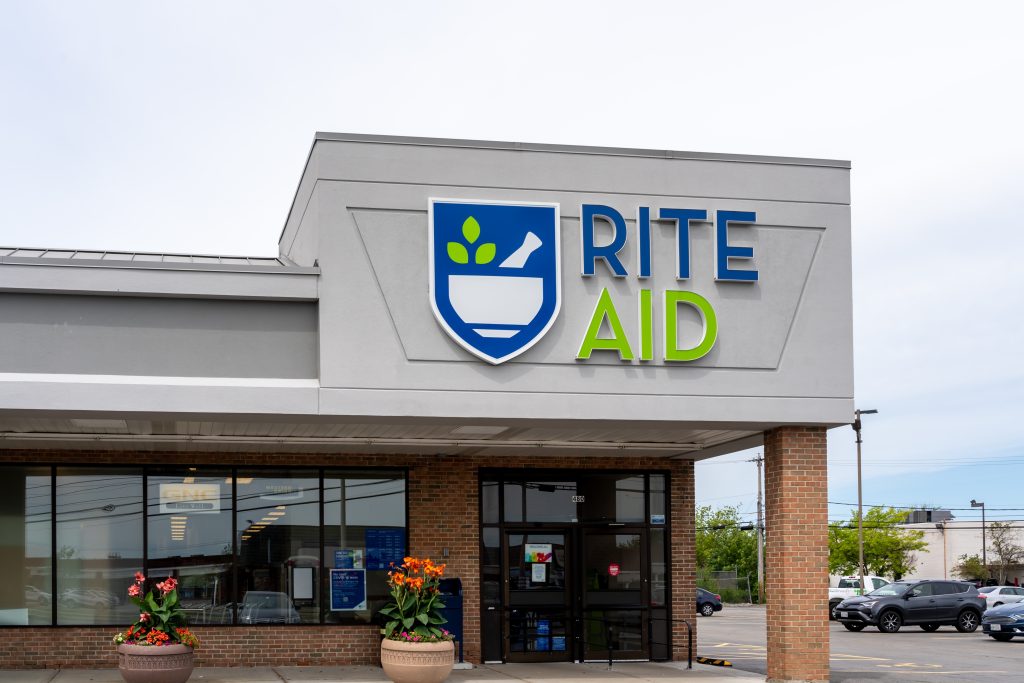
Rite Aid has cited underperformance in its front-of-store business, vendor pullback, and shortfalls in post-bankruptcy financing as reasons for the second Chapter 11 bankruptcy since 2023.
In filings submitted this week to the US Bankruptcy Court in New Jersey, the company said its non-pharmacy retail operations had fallen short of expectations following its 2023 restructuring. While pharmacy performance remained stable, sales and margins in its retail segment continued to decline.
“Rite Aid finds itself in need of Chapter 11 protection because… its high-margin front-end business has remained significantly impaired,” the company said.
Rite Aid has paused most purchasing activities and is now only securing goods and services necessary to operate during the bankruptcy process. In a letter to vendors, it said it had “generally stopped purchasing goods and services,” citing cash constraints.
Chief transformation officer Marc Liebman said a combination of reduced consumer spending, tightened supplier terms, and undelivered financing commitments created a “perfect storm” that left the company unable to stay afloat.
Rite Aid had expected to emerge from its previous bankruptcy with $166 million in liquidity and improved vendor terms. Instead, most suppliers refused to relax restrictions, and the company ultimately secured just $66.75 million in financing, less than half of what was anticipated.
Retail analysts say those conditions accelerated the company’s decline. “High debt levels and a lack of liquidity were always Rite Aid’s Achilles’ heel,” Neil Saunders, managing director at GlobalData told Retail Dive. “Eventually, interest payments became crippling.”
Rite Aid also cited a “structural shift” in customer behaviour, noting that many shoppers who once bought general merchandise alongside prescriptions have moved to lower-cost alternatives.
As inventory levels fell, customers abandoned the stores, which in turn drove further liquidity issues.
The company now carries approximately $2.2 billion in debt, down from over $4 billion in 2023. However, analysts say it lacked the capital and time to properly execute a turnaround in its retail model.
“There were other issues — opioid litigation, margin pressure in pharmacy, weak front-of-store sales — but those could have been managed if not for the debt,” Saunders said.
Click here to sign up to Retail Gazette‘s free daily email newsletter