
Amazon CEO Andy Jassy believes artificial intelligence will hasten the inevitable shift away from physical stores and toward digital shopping, even as the company continues to expand its in-person retail footprint.
Speaking to analysts on Thursday following Amazon’s third-quarter results, Jassy acknowledged that traditional retail still commands the majority of global sales but said that dynamic is changing quickly.
“I still think if you look at the worldwide market segment share of retail, still 80% to 85% of it lives in physical stores,” he said. “That equation is going to flip over time. And I think AI is going to only accelerate that.”
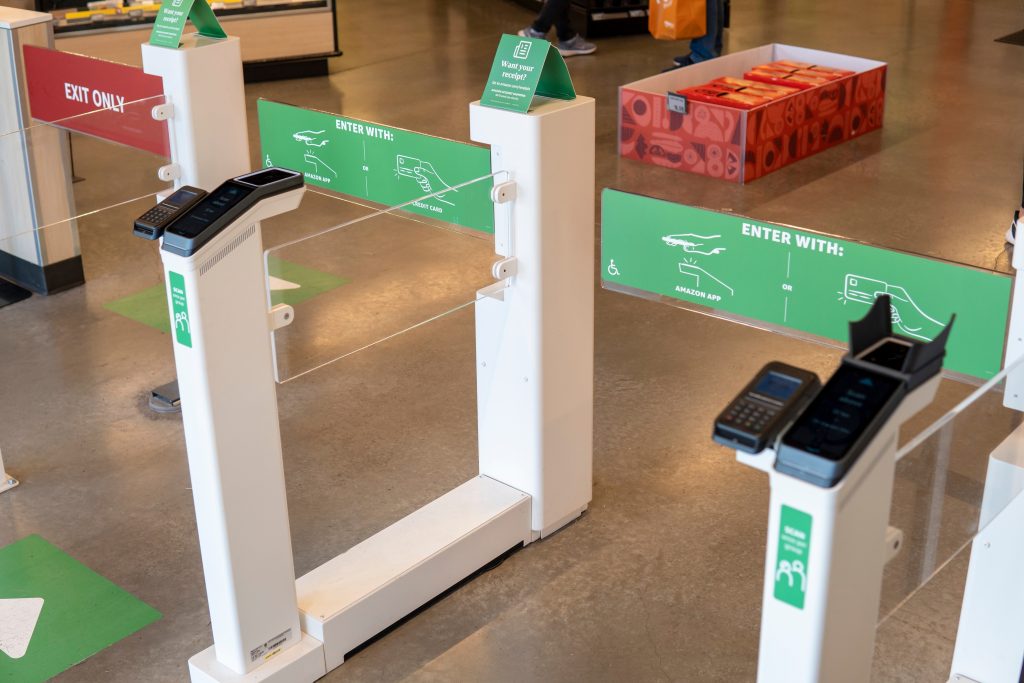
For now, Amazon’s brick-and-mortar operations, largely anchored by Whole Foods and its growing grocery network, remain a smaller portion of its business.
However, the company continues to invest in convenience and speed, including plans to expand same-day grocery delivery from 1,000 to 2,300 U.S. cities by the end of the year.
In the third quarter, online store sales climbed 10% year over year to $67.4 billion, while physical store revenue increased 7% to $5.6 billion, according to the company’s latest financial filings.
Product sales overall rose nearly 10% to $74.1 billion, though the costs of delivering those products remain substantial, global shipping expenses increased 8% to $25.4 billion.
Other parts of Amazon’s business are expanding even faster. Seller services revenue grew 12% to $42.5 billion, advertising rose 24% to $17.7 billion, and subscription services jumped 11% to $12.6 billion.
Analysts largely agreed that Amazon Web Services (AWS) continues to drive the company’s overall performance. AWS sales rose 20% year over year to more than $33 billion, while operating income for the cloud division increased over 9% to $11.4 billion.
Companywide operating income held steady at $17.4 billion, despite two special charges; $2.5 billion from an FTC legal settlement and $1.8 billion in severance costs tied to upcoming layoffs.
The 14,000 job cuts confirmed earlier in the week are also connected to AI’s growing role within Amazon. The company said it expects that as generative AI capabilities expand, fewer employees will be needed to manage certain functions, marking another sign of how artificial intelligence is reshaping both retail and operations inside one of the world’s largest companies.
Click here to sign up to Retail Gazette‘s free daily email newsletter