According to Pr Newswire, the United States District Court for the Southern District of Texas, Marshall Division, is addressing a serious patent infringement case (Case No. 2:25-cv-00744) as the company continues to benefit from strong sales momentum.
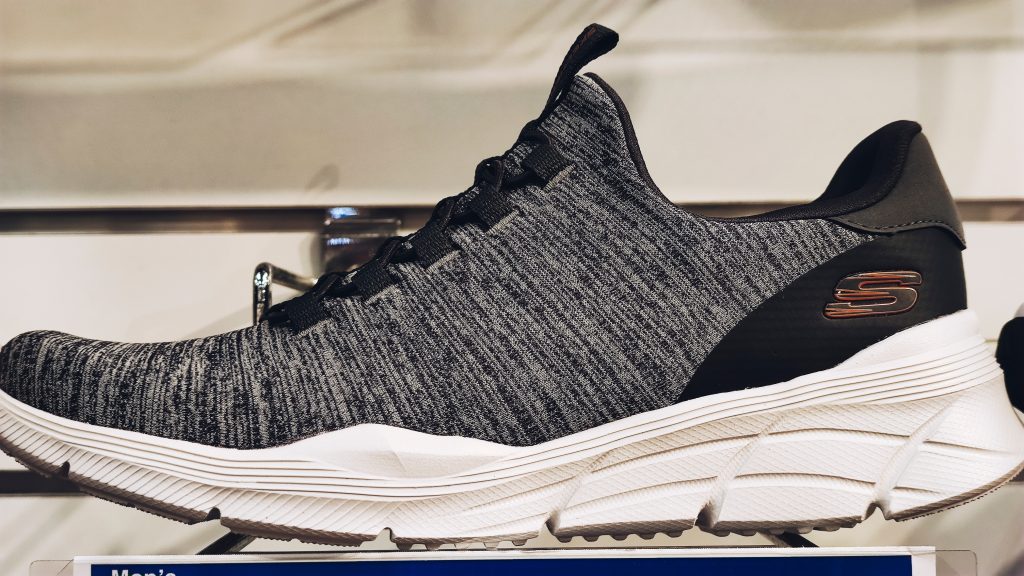
The lawsuit alleges that Skechers’ ‘Heel Pillow’ system directly infringes on Kizik’s proprietary hands-free footwear technology, known as F.A.S.T.
Kizik, in partnership with HandsFree Labs Licensing, Fast IP, and Kizik Design, has accused Skechers—the world’s third-largest footwear brand—of ‘knowingly and willfully’ infringing on its patented design.
“This case is about protecting meaningful, functional innovation,” said Ryan Dykal, lead counsel for the plaintiffs. According to the Wall Street Journal, the company is expected to hit a revenue of 10 billion US Dollars by 2026.
According to Insight.RPXCorp.com, the patented design features a compressible lattice “Cage®” heel structure that rebounds to secure the foot without laces or manual adjustment.
The evidence appears to be damning as the action was filed jointly by HandsFree Labs Licensing, LLC, Fast IP, LLC, and Kizik Design, LLC. The plaintiffs allege Skechers rebranded Kizik’s patented the slip on technology as its own exclusive system, capitalising on years of development by Kizik without permission or prior discussion.
Kizik’s footwear gained attention in recent years for its fully hands-free entry system, allowing users to step into sneakers without bending or adjusting the shoe — a feature central to the company’s branding. Skechers’ rival offering incorporates similar functionality, prompting the legal challenge.
The Slip-on shoes date back decades, from Vans’ elastic-panel skate shoes in the 1960s, to Nike’s Air Max evolutions in the 1980s, a concept which proceeded to inspire for generations.
“The real danger here isn’t just to our company, it’s to innovation itself,” said Gareth Hosford, Chief Executive Officer of HandsFree Labs, Inc. in a statement via PR Newswire.
“When billion-dollar brands can openly copy protected technologies and profit from doing so with no consequences, it sends a dangerous message to every entrepreneur, engineer, and inventor: your work doesn’t matter. We can’t accept that. And we won’t.”
“Skechers didn’t just cross the line, they saw the line, acknowledged it, and stepped over it anyway,” said Ryan Dykal, Partner at Boies Schiller Flexner LLP and lead counsel for HFL.
“This case is about protecting meaningful, functional innovation, the kind that transforms how people live, and ensuring that companies who invest in inventions aren’t punished for doing so.”
As of publication, Skechers has not publicly commented on the lawsuit.
If found liable, Skechers could face injunctions, monetary damages, and potentially enhanced damages of up to three times the assessed amount for willful infringement, under US patent law.
Click here to sign up to Retail Gazette‘s free daily email newsletter