
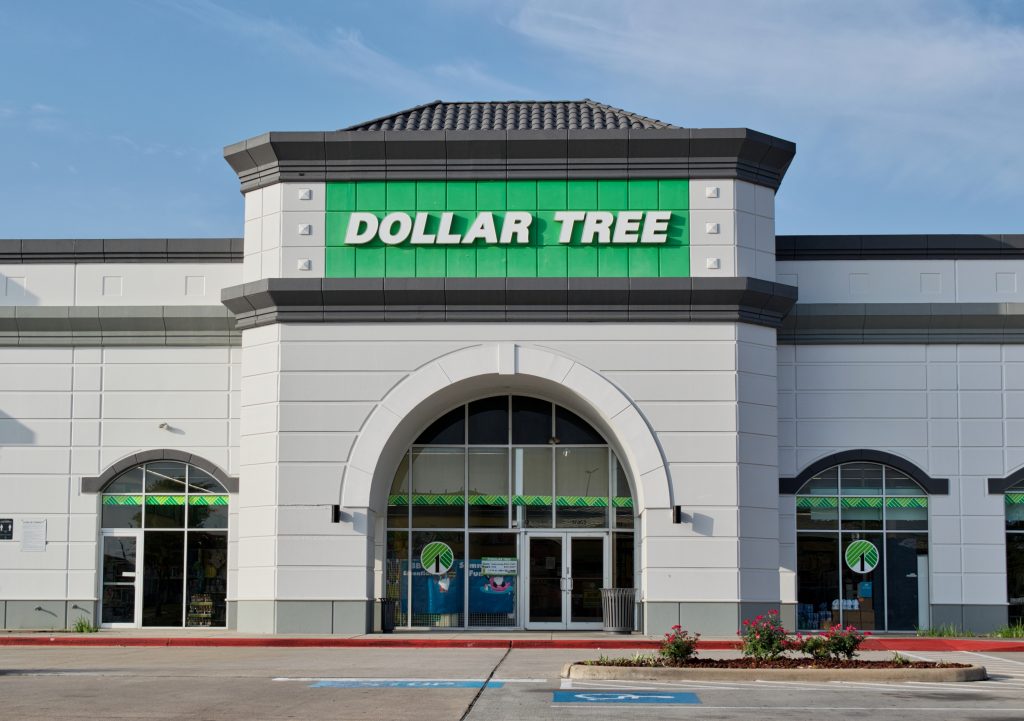
Dollar Tree is expanding its distribution footprint and investing in logistics infrastructure as part of a broader effort to build a more resilient and scalable supply chain.
The retailer recently opened a new 1 million-square-foot distribution center in Litchfield Park, Arizona, which will support more than 700 stores across the western and southwestern United States.
According to Chief Supply Chain Officer Roxanne Weng, outbound deliveries from the facility are expected to begin next month.
The Arizona warehouse will serve stores across Arizona, Colorado, Nevada, New Mexico and Utah, helping reduce delivery times and improve inventory flow consistency.
“It’s built to handle the volume we need today while also giving us room to grow in the future,” Weng said.
The new facility forms part of Dollar Tree’s long-term strategy to position distribution infrastructure closer to stores, lowering transit times and improving shelf replenishment speed.
“More broadly, our network strategy is all about positioning our infrastructure closer to stores so we can reduce transit times and get the products on shelves more quickly,” Weng said.
The company is also preparing to open another distribution center in Marietta, Oklahoma, in 2027. That site will replace a previous facility destroyed by a tornado in 2024, an event that forced Dollar Tree to absorb higher transportation costs and operational inefficiencies due to reduced distribution capacity.
Related Story
According to Weng, the retailer’s logistics strategy focuses on increasing the number of stores supported per distribution center while improving operational efficiency and lowering costs across the network.
Beyond physical infrastructure, Dollar Tree is investing in technology and freight optimization initiatives. The company is upgrading warehouse and yard management systems, refining delivery routing and using data analytics to improve delivery reliability and operational consistency.
At its 2025 Investor Day event, Dollar Tree also disclosed that it had secured multi-year inbound and outbound freight agreements covering roughly 75% of its freight volumes.
The contracts are intended to improve cost predictability and reduce exposure to volatile spot freight markets.
The retailer is additionally diversifying its import sourcing and balancing shipping volumes across multiple carriers and ports to strengthen flexibility amid global supply chain disruptions.
“Ultimately, all of these investments are really about supporting our core mission – delivering value, convenience, and expanded assortment to millions of customers,” Weng said.
Click here to sign up to Retail Gazette‘s free daily email newsletter