
After nearly two decades of steady growth, global container imports are expected to dip slightly in 2024, a shift influenced not just by economic uncertainty and changing consumer behaviour, but also by mounting trade tensions and tariff pressures.
According to the latest Global Port Tracker from the National Retail Federation (NRF) and Hackett Associates, global container volumes rose from 14.4 million twenty-foot equivalent units (TEUs) in 2004 to 25.5 million TEUs in 2023, reflecting years of expansion driven by robust consumer demand, globalised supply chains, and economic growth.
Steady climb until now
The period between 2010 and 2019 marked the most consistent increases, with annual volumes regularly surpassing 16 million TEUs.
While the 2008 global financial crisis caused a temporary downturn, imports rebounded to 18.5 million TEUs by 2013.
The COVID-19 pandemic led to another sharp decline in 2020, dropping volumes to 13.2 million TEUs, but recovery was swift, and volumes surged to 25.8 million TEUs by 2021.
2024 slowdown tied to tariffs and economic shifts
For 2024, however, imports are forecast to ease slightly to 25.5 million TEUs, down from 25.8 million the previous year. While still historically strong, this modest decline signals deeper changes in global trade dynamics.
Among the contributing factors are persistent global supply chain disruptions, cooling demand in key markets such as the US and China, and uncertainty surrounding new US tariff policies.
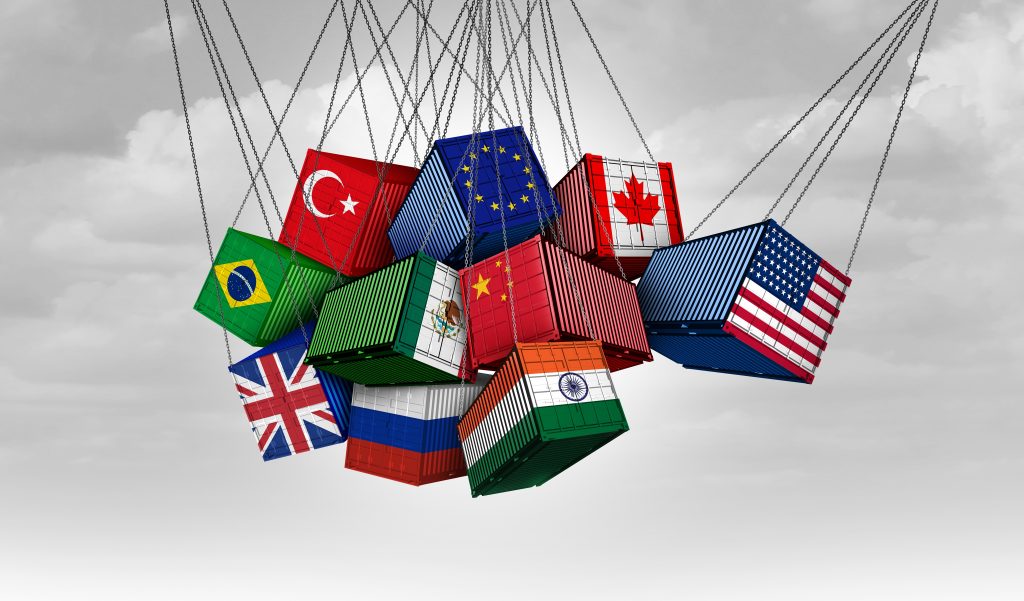
The potential for higher import duties, including steep increases on Chinese goods, is prompting some companies to re-evaluate sourcing strategies and slow down shipments, impacting overall container traffic.
As tariff rules evolve and trade relationships shift, businesses are proceeding with greater caution, often adjusting their inventories and logistics operations to avoid being caught off guard by rising costs.
Long-term outlook remains positive
Despite the near-term dip, analysts remain optimistic about the long-range trajectory of container imports. Continued investment in port infrastructure, advances in shipping technologies, and sustained growth in emerging markets are expected to support a rebound in future volumes.
Evolving consumer behaviour, such as increased online spending and demand for fast delivery, will also help drive longer-term growth. And as companies build more resilient and flexible supply chains, the sector is likely to stabilise and expand again in the coming years.
For now, 2024 stands as a potential inflection point, shaped not just by economic fundamentals, but by policy-driven shifts in the global trading environment.
Click here to sign up to Retail Gazette‘s free daily email newsletter