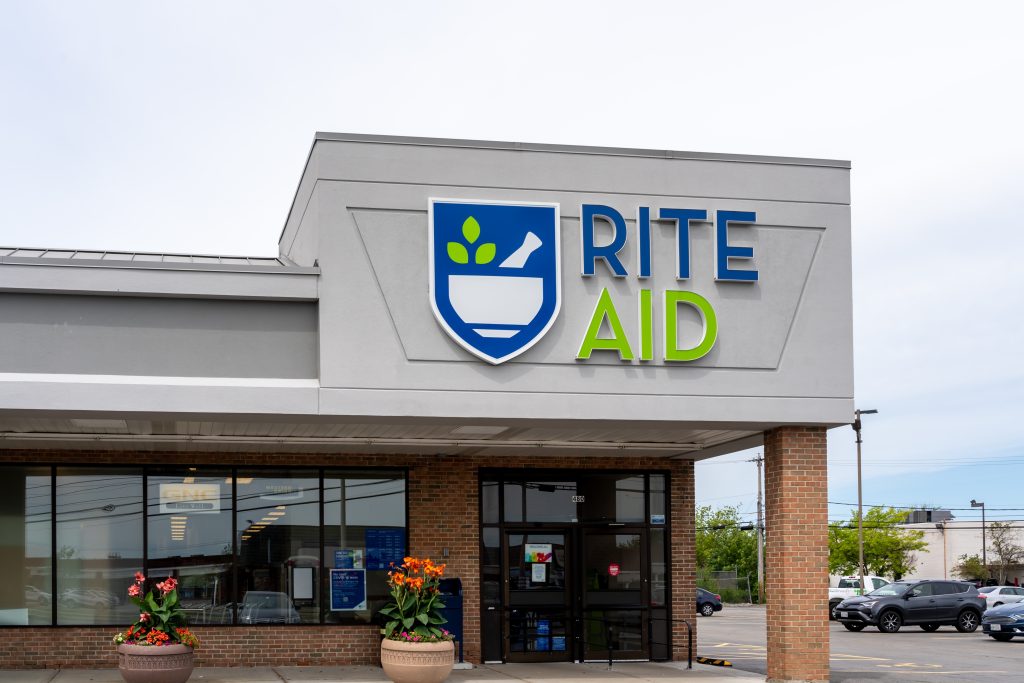
Rite Aid has entered bankruptcy for the second time in less than two years, filing for Chapter 11 protection on May 5 as it struggles to stay afloat amid mounting debt, inflation, and increased competition in the US pharmacy sector.
The Pennsylvania-based chain, once a staple of American high streets, cited liabilities between $1 billion and $10 billion in court documents filed in New Jersey, according to Reuters.
The company says it intends to sell its remaining assets to one or more buyers as part of the restructuring process.
CEO Matt Schroeder stated that while talks are already underway with both national and regional buyers, Rite Aid’s primary goal is to continue pharmacy operations without disruption and preserve as many jobs as possible. “As we move forward, our key priorities are ensuring uninterrupted pharmacy services for our customers and preserving jobs for as many associates as possible,” he said.
However, the company has warned employees that job cuts are imminent, after it failed to secure further financing from its lenders, according to an internal letter reported by Bloomberg News.
Rite Aid’s previous bankruptcy, filed in October 2023, aimed to tackle $2 billion in debt and included the closure of hundreds of stores, the sale of its pharmacy benefit business Elixir, and legal settlements with creditors, including McKesson.
It also resolved hundreds of lawsuits accusing the company of improperly dispensing opioid medications.
Despite those efforts, Rite Aid still emerged from restructuring in 2024 saddled with $2.5 billion in debt, now owned by its lenders as a private entity. Since then, its footprint has shrunk dramatically, from roughly 2,000 locations in 2023 to just 1,240 today, following additional closures in key states such as Ohio and Michigan.
The company’s troubles mirror broader industry headwinds. Traditional pharmacy retailers including Walgreens and CVS are facing falling prescription margins, aggressive competition from Walmart and Amazon, and declining store traffic.
Walgreens, for example, was recently acquired by private equity firm Sycamore Partners for $10 billion, a steep drop from its $100 billion valuation a decade ago.
The reduction in retail pharmacies has sparked concern among lawmakers and health advocates, who warn of growing “pharmacy deserts”, regions where access to essential medications is becoming increasingly scarce.
The National Community Pharmacists Association has voiced alarm over this trend, citing risks to public health and underserved communities.
Click here to sign up to Retail Gazette‘s free daily email newsletter