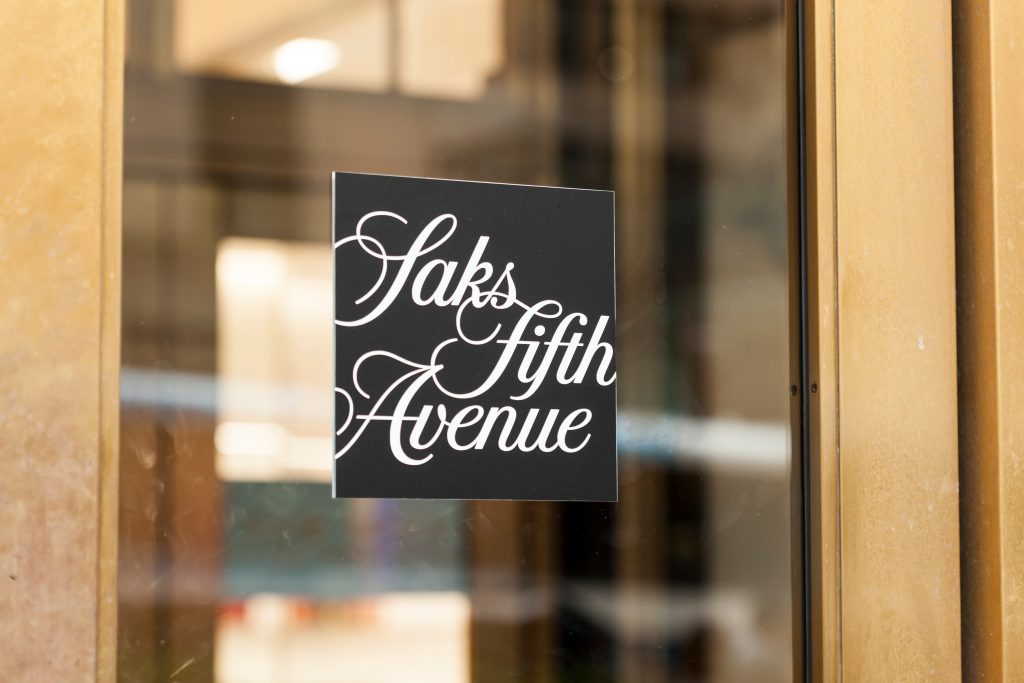


Saks Global filed for Chapter 11 bankruptcy protection late Tuesday, marking one of the largest U.S. retail collapses since the pandemic and capping a rapid downfall that followed its high-profile acquisition of Neiman Marcus.
The luxury department store group, which combines Saks Fifth Avenue, Bergdorf Goodman and Neiman Marcus, listed assets and liabilities each in the range of $1 billion to $10 billion in filings with the U.S. Bankruptcy Court in Houston.
The company said its stores will remain open after securing a $1.75 billion financing package and appointing a new chief executive.
Former Neiman Marcus CEO Geoffroy van Raemdonck has been named CEO, replacing Richard Baker, the architect of the acquisition strategy that left the company heavily leveraged. Baker, who serves as executive chairman, had assumed the CEO role at the start of the year.
Saks said the bankruptcy process is intended to give the company time to restructure its debt or pursue a sale. In court filings, the retailer argued that weak demand is not the root cause of its distress.
“The company’s challenges are tied to inventory availability and vendor confidence, not underlying demand for luxury goods,” Saks said in the filing.
The bankruptcy comes barely a year after a deal designed to create a U.S. luxury retail powerhouse brought Saks Fifth Avenue, Bergdorf Goodman and Neiman Marcus under a single corporate umbrella.
That transaction added significant debt at a time when global luxury sales were slowing and brands were increasingly shifting to direct-to-consumer models.
Saks Global, which employs about 17,000 people, said it raised $600 million and restructured debt in mid-2025 to address mounting liquidity pressures.
However, persistent missed payments to vendors led suppliers to withhold inventory, leaving stores thinly stocked heading into 2026 and pushing shoppers toward competitors such as Bloomingdale’s.
“Rich people are still buying,” Morningstar analyst David Swartz told Reuters last month, “just not so much at Saks.”
Related Story
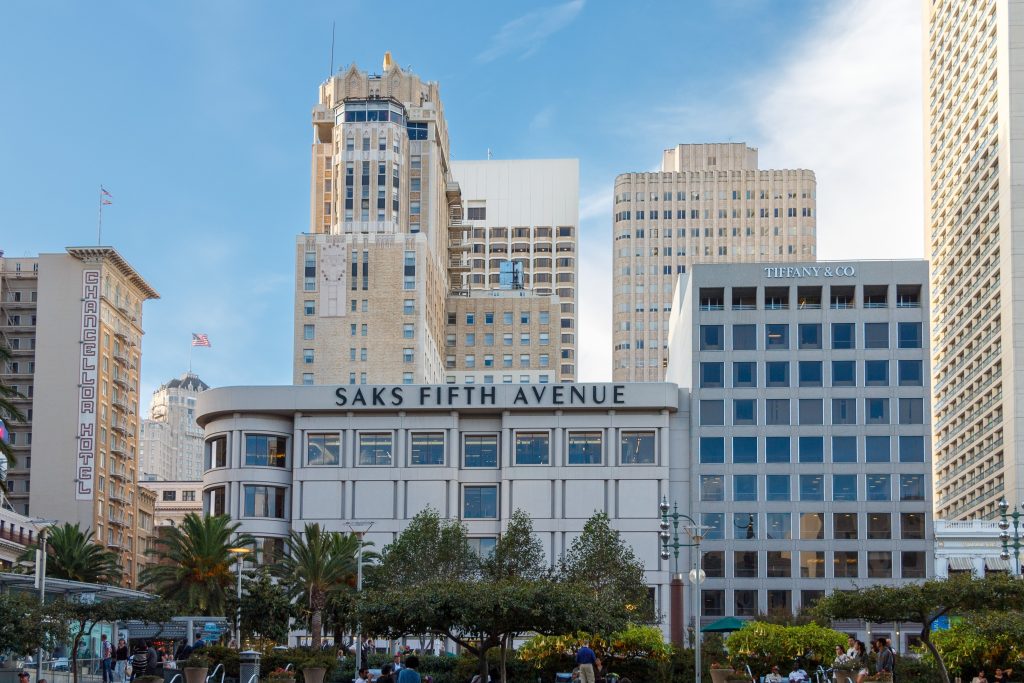
The company has already sold assets in an effort to shore up cash, including the real estate underlying Neiman Marcus’ Beverly Hills flagship store, which was sold last month for an undisclosed amount. Saks had also been exploring the sale of a minority stake in Bergdorf Goodman.
Under the newly finalized financing package, Saks Global will receive an immediate $1 billion debtor-in-possession loan led by Pentwater Capital Management and Bracebridge Capital, according to the company.
An additional $240 million will be available through an asset-backed loan from existing lenders. Saks said it will also gain access to $500 million in financing upon exiting bankruptcy, which it expects to do later this year.
The retailer asked the court to delay submission of its financial statements by 45 days, until March 13, 2026.
Court documents show that several luxury brands are among Saks Global’s largest unsecured creditors. Chanel tops the list with claims of about $136 million, followed by Gucci owner Kering at $60 million and LVMH at $26 million. In total, the company estimates it has between 10,001 and 25,000 creditors.
Founded in 1867 by Andrew Saks, Saks Fifth Avenue became synonymous with American luxury retail, known for exclusive designer assortments and elaborate holiday displays. But the brand struggled to recover from pandemic-era disruptions as online competition intensified and vendors increasingly prioritized their own retail networks.
In 2024, Baker orchestrated the $2.7 billion Neiman Marcus acquisition through Hudson’s Bay Co., which had owned Saks since 2013, later spinning off the U.S. luxury assets to form Saks Global.
That deal relied on roughly $2 billion in debt financing and equity contributions from investors including Amazon, Salesforce and Authentic Brands, according to court filings.
Whether Saks Global can successfully restructure, or ultimately survive, will depend on restoring vendor confidence, stabilizing inventory flow and convincing creditors that the century-old luxury institution still has a viable future.
Click here to sign up to Retail Gazette‘s free daily email newsletter