Retail activity in the US remained strong in March, with six out of ten major retail categories reaching new highs in sales.
This reflects a continued consumer focus on essential goods, discounted products, and experience-driven spending. However, according to a recent report from Marcus & Millichap, the pace of growth is beginning to ease, likely influenced by ongoing inflation, economic volatility, and evolving trade dynamics.
In the first quarter of the year, core retail sales saw a modest increase of 0.6%. Yet, when adjusted for inflation based on the core Consumer Price Index, sales effectively slipped by 0.1%, the report noted.
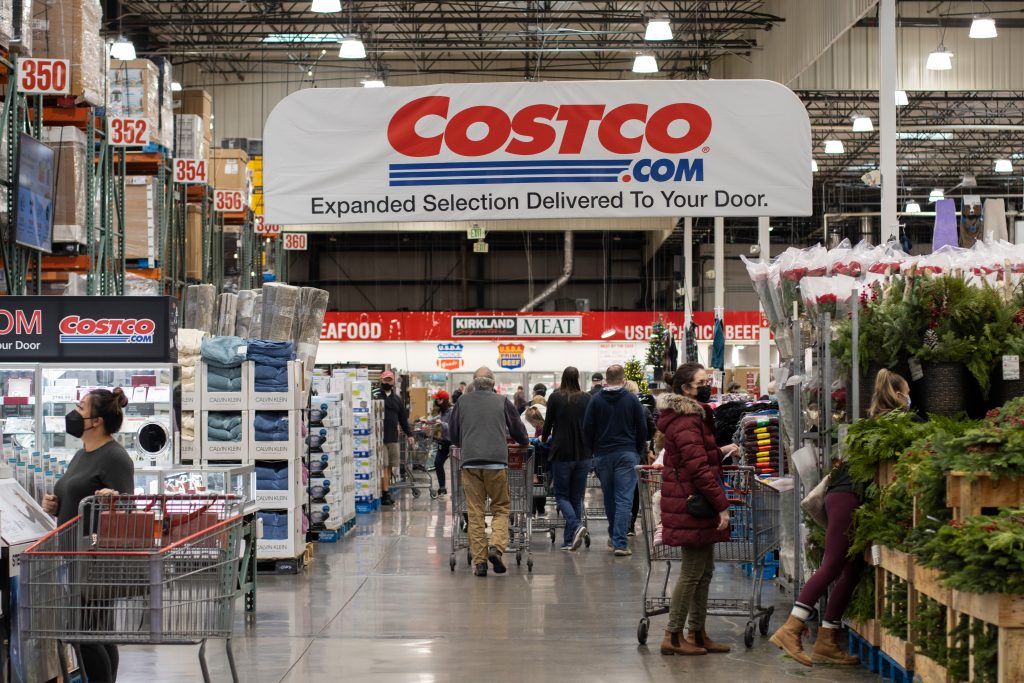
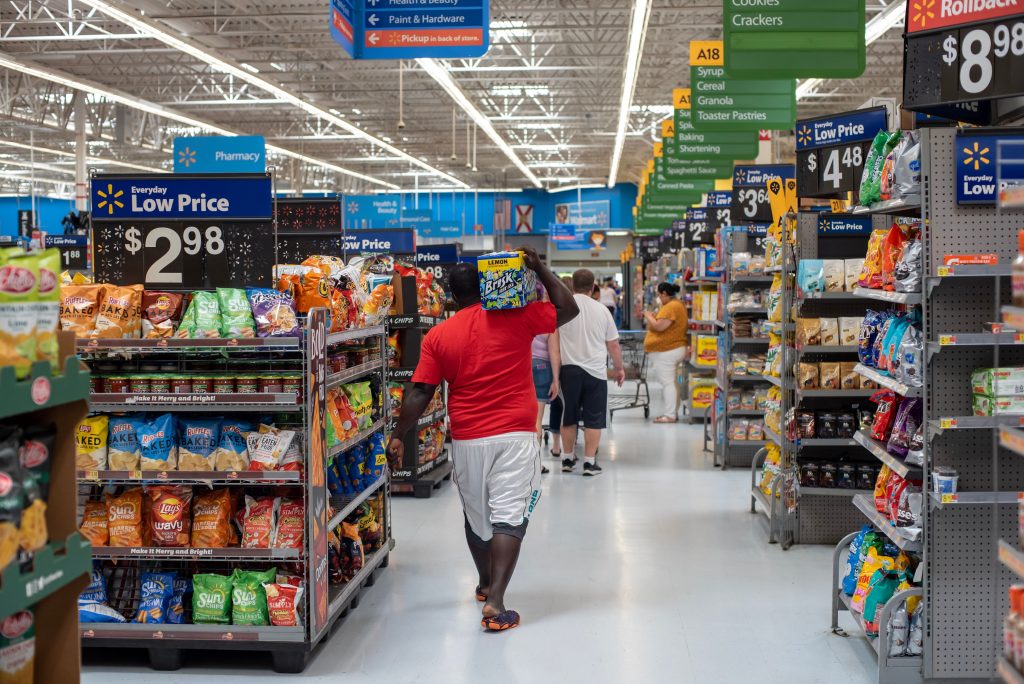
The food and beverage sector continues to dominate in-store sales, maintaining a 27% share for over two years. With necessity items remaining a household priority, this trend is expected to hold, supporting sustained demand for grocery-anchored retail space.
Despite limited room for expanding market share, supermarket-anchored shopping centres are seeing strong fundamentals, with vacancy rates at a low 2.2% as of early April.
“As the US economy faces potential risks of simultaneously higher inflation and slower growth, a more cautious consumer is likely to materialize,” said the firm. “Fortunately, the retail sector is well-positioned to handle possible spending-related headwinds, as vacancy was historically low entering April.”
Among retail categories, the biggest year-over-year gains were seen in miscellaneous retail and non-store channels. This uptick is being driven by bargain-hunting shoppers turning to thrift stores and e-commerce platforms.
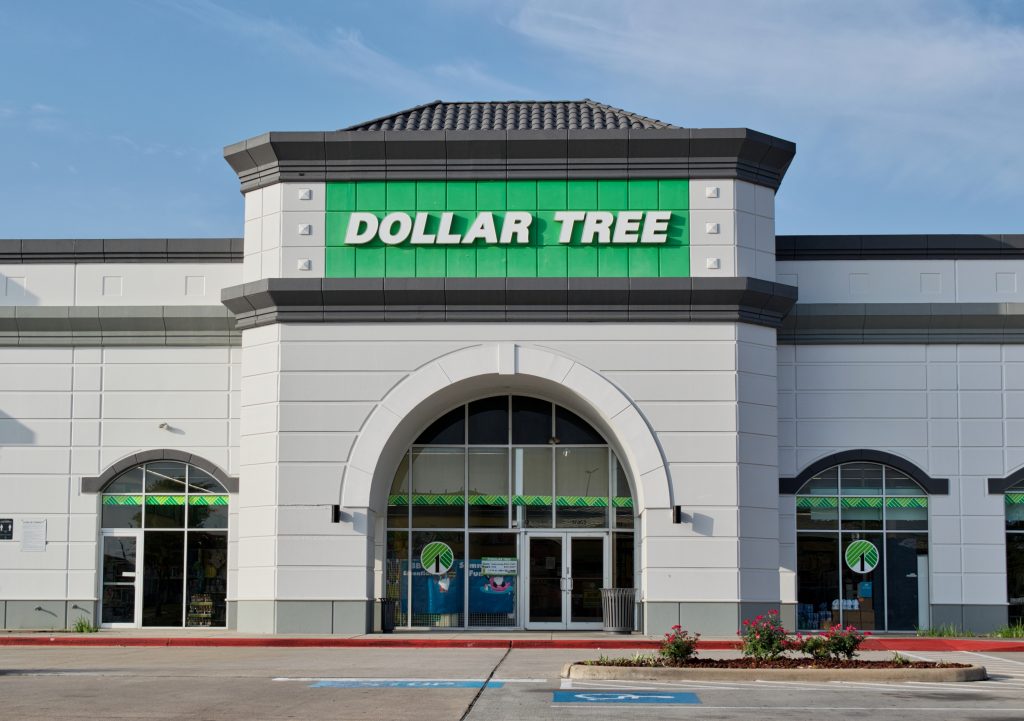
Discount-focused general merchandise chains are also drawing consumer interest, prompting expansion from brands like Ollie’s Bargain Outlet, Ross, and Burlington, all of which plan to add 75 to 100 new locations in 2025.
While categories reliant on discretionary income, such as dining, face headwinds, restaurants and bars have shown resilience. Sales in this segment rose 1.8% from February to March, despite menu prices increasing 0.4% over the same period.
Marcus & Millichap noted that restaurants sourcing ingredients domestically may be less exposed to the impact of shifting trade policies and tariffs, potentially helping to manage food cost pressures.
Looking ahead, the retail sector is expected to remain a cornerstone of commercial real estate investment. In the first quarter, nearly 40% of major property transactions involved retail assets.
With operating expenses on the rise, net-leased properties are likely to appeal to investors seeking stable returns with minimal management responsibilities.
Click here to sign up to Retail Gazette‘s free daily email newsletter