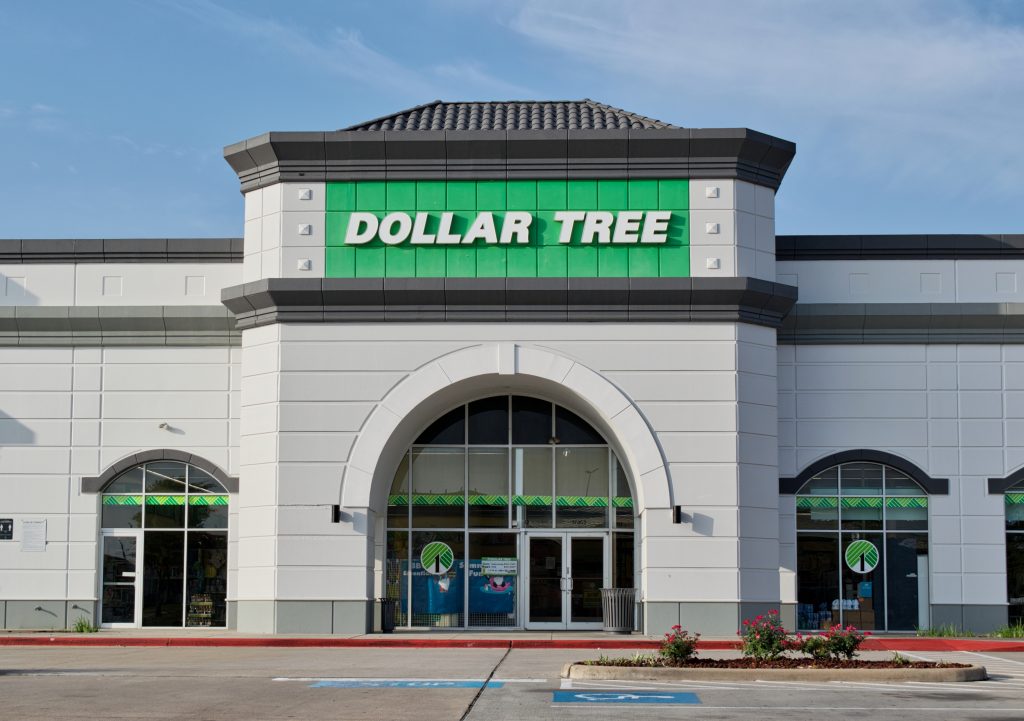
While much of the retail sector is feeling the strain of weaker consumer confidence and rising costs, discount chains like Costco, Dollar Tree, and Dollar General are continuing to outperform.
In March 2025, US consumer sentiment fell to 57.0, down from 64.7 in February, according to the University of Michigan’s Consumer Sentiment Index, its lowest level in over a year. Although inflation has cooled from its peak, the Consumer Price Index still recorded a 2.4% year-on-year increase in March 2025, indicating that prices remain elevated for many everyday essentials.
As shoppers look for ways to stretch their budgets, discount retailers are capitalising, by offering low prices as well as through smart strategies like private label expansion, flexible payment options, and aggressive store growth. Retail Gazette USA takes a look at how they’re winning in a particularly challenging environment.
1. Increasing budget constraints

As costs continue to rise, cautious spending among consumers is increasing. Shoppers are turning to discount retailers to supply their household goods and food inventory.
Major discount chains, including Dollar General, which reported a strong performance in Q4 2024, offer affordable solutions to customers dealing with financial constraints.
Todd Vasos, Dollar General’s CEO and Director, said: “Many of our customers report that they only have enough money for essentials, with some noting that they have had to sacrifice even on the necessities.
“In turn, we know our customers expect value and convenience more than ever. We are committed to providing the value they need and continue to feel very good about our everyday low-price position relative to competitors and other classes of trade.”
2. Introducing private labels

The rising inflationary pressure is fueling private label growth, which is gaining momentum, especially among younger shoppers.
Major discount retailers are launching private label products, with Target teaming up with Parachute to launch a bedding line, which aims to bring affordable, high-quality products to customers.
This is a successful strategy that allows retail chains to increase their product assortment and offer budget-friendly options for consumers.
Jill Sando, Target’s Executive Vice President (EVP), said: “Target’s famous for making great style accessible to everyone, so the opportunity to bring an amazing brand like Parachute to our guests is a dream come true.
“Together, we’re focused on delivering on-trend newness, and you can’t get more on-trend than Parachute’s luxurious bedding, at only-at-target prices.”
3. Strategic store expansion

While other retailers are downsizing, discounters are planning mass expansion on the heels of their strong performances. As the demand for more affordable products increases, there is an opportunity for discount chains to grow their retail footprint.
Off-price retailer TJX announced mass expansion plans after a successful earnings report, and Dollar General has plans to open 575 new stores this year as well.
Ernie Herrman, TJX’s CEO, and president, said on an earnings call: “And because of the environment we’re in, where there’s a loss of consumer confidence, stores closing, etc. I’m thinking there’s more availability out there over the next six months, even more than there has been, which is going to create more buying opportunities for our teams.”
Additionally, Germany-based grocer Aldi is going to open 220 stores across the US, aimed at providing US-based consumers with budget-friendly grocery options.
4. Loyalty programs
Loyalty and membership schemes are helping discount retailers deepen customer relationships and secure recurring revenue.
Costco continues to lean heavily on its membership model. As of Q1 2025, paid memberships reached over 130 million globally, with Executive Members accounting for 47.1% of members and 73.8% of global sales.

The impact of membership fees was highlighted by Costco’s Gary Millerchip, Costco’s EVP and Chief Financial Officer, in an earnings call.
Millerchip said: “The recent membership fee increase contributed approximately 3% of fee income in the quarter. Executive members now represent 47.1% of paid members and 73.8% of worldwide sales.”
The membership fees from shoppers provide discount chains with additional revenue and contribute to the overall earnings of the company.
5. Introducing flexible payment options

Discount retailers have begun to cater to lower-income families and accept alternative payments to offer more flexibility to customers.
Dollar General recently partnered with DoorDash to make delivery accessible for low-cost families and included SNAP as a form of payment.
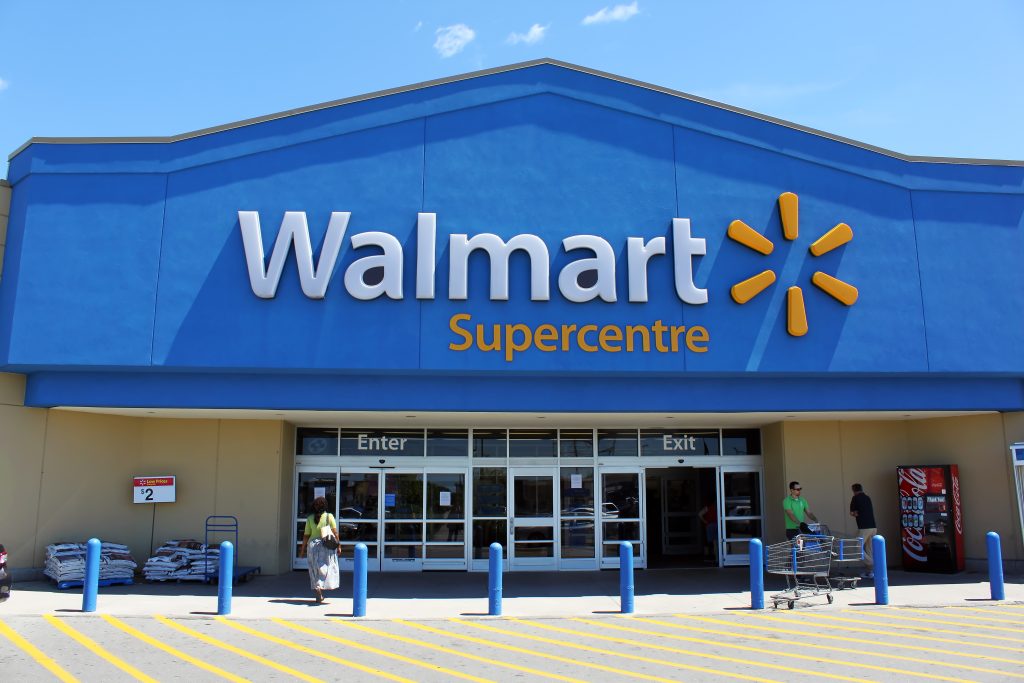
Multi-payment platform Klarna also partnered with Walmart to allow customers to pay in installments, making products more accessible for purchase.
Klarna’s co-founder and CEO, Sebastian Siemiatkowski, said: “Millions of people in the US shop at Walmart every day, and now they can shop smarter with OnePay instalment loans powered by Klarna. OnePay choosing Klarna as their exclusive installment loans partner at Walmart in the US is a huge vote of confidence as we pursue our goal of being available everywhere for everything.”
The introduction of various methods of payment allows for a wider reach of customers.
As economic uncertainty continues, discount retailers are adapting quickly to meet shifting consumer needs and are being rewarded for it. By doubling down on affordability, accessibility, and convenience, they’ve carved out a winning formula in a tough market.
Click here to sign up to Retail Gazette‘s free daily email newsletter