

Walmart said Thursday it will begin raising prices later this month due to the mounting burden of tariffs, a clear indication that President Donald Trump’s trade policies are filtering into the American retail economy.
Chief Financial Officer John David Rainey confirmed that US shoppers should expect price increases by the end of May and into June.
Speaking to CNBC, and analysts on an earnings call, Rainey said Walmart will also reduce some inventory orders as it weighs consumer price sensitivity.
“There are certain items, certain categories of merchandise that we’re dependent upon to import from other countries, and the prices of those things are likely going to go up — and that’s not good for consumers,” Rainey said.
Although the US and China recently agreed to reduce tariffs from 145% to 30% on certain goods, Rainey said the cost remains high. “We’re very pleased and appreciative of the progress… but let me emphasize: we still think that’s too high.”
As the largest US importer of container goods, Walmart is especially exposed to these levies.
The company is now working with suppliers to explore substitutions for tariff-hit materials, for example, replacing aluminum with fiberglass, but executives say the price pressure remains significant.
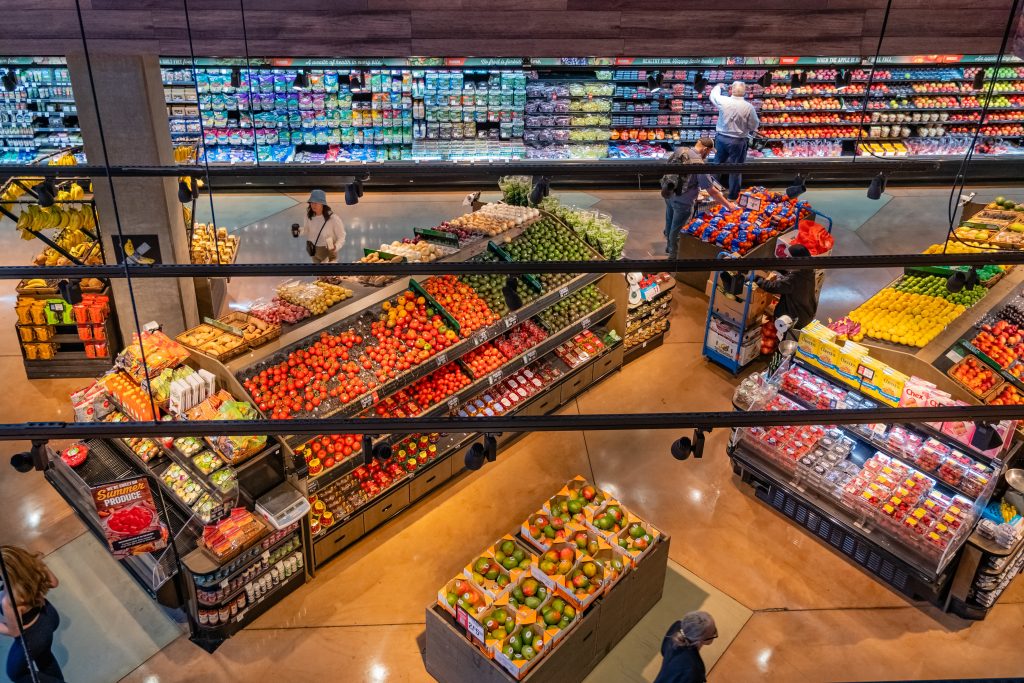
CEO Doug McMillon said Walmart’s thin retail margins limit its ability to absorb rising costs. While the company will try to keep food prices stable, categories like general merchandise, where many goods are sourced from China, are likely to see increases. McMillon added that imports of food items such as bananas, avocados, coffee, and roses from countries like Costa Rica, Peru, and Colombia are also becoming harder to manage.
The update came as Walmart posted better-than-expected US same-store sales growth of 4.5% in Q1, driven by a 1.6% increase in transactions and a 2.8% rise in average basket size.
Total net sales rose 2.5% to $165.6 billion, just below analyst expectations. Adjusted earnings per share came in at 61 cents, ahead of the 58-cent consensus.
Despite the strong showing, Walmart withheld earnings guidance for the second quarter, citing the “fluid operating environment” and the unpredictable pace at which tariffs could increase.
Shares fell 2.3% in morning trading following the announcement.
Globally, e-commerce sales rose 22%, including a 21% gain in the US. The company reported its first full quarter of profitability in its online business, thanks in part to growth in higher-margin services such as digital advertising and its marketplace platform.
Walmart reaffirmed its full-year guidance, maintaining expectations for fiscal 2026 adjusted EPS between $2.50 and $2.60 and annual sales growth of 3% to 4%. For Q2, it forecasts consolidated net sales growth between 3.5% and 4.5%.
Still, the broader economic signals are mixed. US consumer sentiment declined for the fourth straight month in April, and GDP contracted for the first time in three years, fueling concerns about a potential recession.
Other companies are also feeling the pinch. Birkenstock, the German footwear brand, announced it would raise prices globally to offset the impact of the 10% US tariff on EU-made goods.
Analysts say Walmart’s scale gives it an advantage in weathering tariff-related disruptions, but only to a point.
“There will likely be some demand destruction from tariffs,” said Brian Jacobsen, chief economist at Annex Wealth Management told Reuters. “A complete wreck is unlikely, but pressure is clearly building.”
Click here to sign up to Retail Gazette‘s free daily email newsletter