

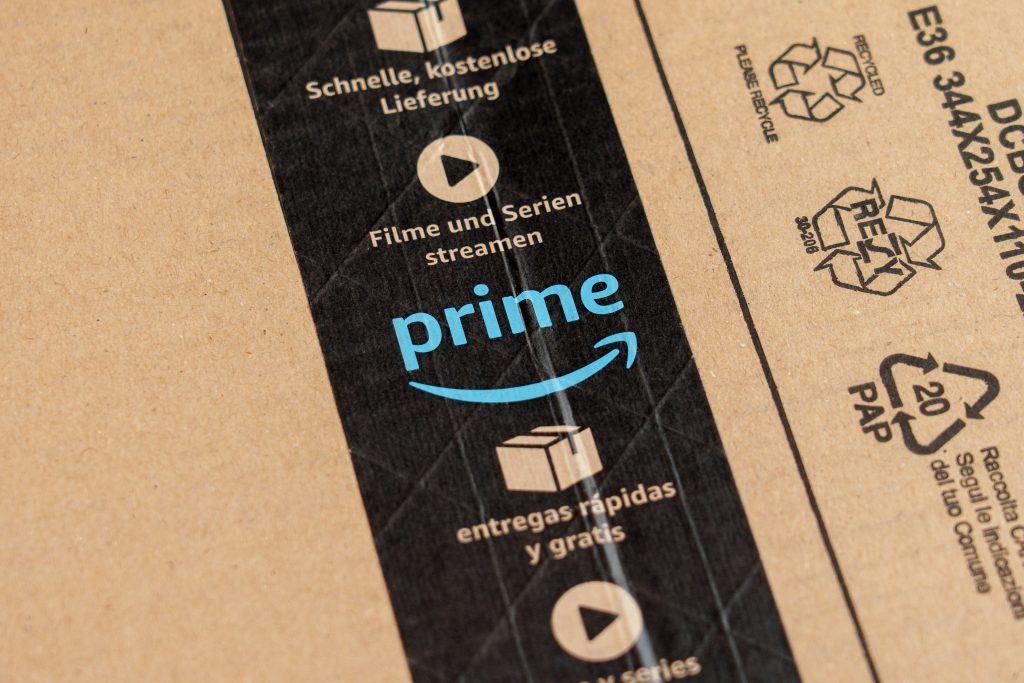
Amazon’s decision to extend its 2025 Prime Day sales event from two days to four has been hailed a success and a strong business decision by advertisers and retail analysts.
Early results indicating improved flexibility for brands and more intentional shopping behaviour from consumers. According to advertising intelligence platform Pacvue, “Amazon Prime Day 2025 marked a historic shift—spanning four full days and setting new benchmarks for retail media performance.
Advertisers faced both greater opportunities and bigger challenges as shopper behaviors, ad spend, and competition evolved.” Advertisers benefited from reduced daily intensity and higher overall returns.
Pacvue’s year-over-year data reveals that total brand average sales increased by 34% compared to the two-day event in 2024. Meanwhile, total ad spend rose by 48%, but the average daily ad spend decreased by 26% as budgets were stretched across more days.
This trend coincided with a 33% dip in average daily sales—a reflection of steadier, more distributed shopper engagement across the extended period.
Complementing Pacvue’s findings, Adobe’s Digital Economy Index estimated that the four-day Prime event generated $24.1 billion in total US online sales, a 29% increase over 2024.
Pacvue’s five key takeaways from the event point to a clear evolution in both advertising strategy and shopper behaviour:
-
The Four-Day Format Drove Record Sales—but Lower Daily Intensity
-
Shopping Patterns Shifted: A spike in early morning activity on Day 1 was followed by steadier mid-event engagement and a strong late push on Day 4.
-
More Opportunity Across Retailers: Walmart and Target campaigns also benefited, showing coordinated growth.
-
The Rise of Value-Driven and Comparison Shopping: Consumers made more deliberate, price-sensitive decisions.
-
The Pacing Playbook: Successful brands optimised in real-time and remained agile throughout the entire sales window.
In cross-platform analysis, Pacvue reported that Amazon saw a 172% increase in ad spend compared to average daily spend prior to the event.
Target’s ad spend increased by 56%, while Walmart saw a 16% rise—highlighting that brands embraced a broader retail ecosystem beyond Amazon alone.
The event’s longer duration also lessened the “FOMO effect” (fear of missing out), with shoppers showing more calculated purchase behaviours and a rise in end-of-event conversions.
Brands that adjusted budget pacing and remained agile across all four days saw the strongest outcomes.
Pacvue advised in its post-event summary, “Advertisers must resist the urge to front-load all spend. Being present—and agile—during both the opening and closing hours is critical. Performance peaks can happen at different points—often late in the event—so the best results come to those ready to pivot quickly.”
Click here to sign up to Retail Gazette‘s free daily email newsletter


