
Target has struggled to keep its momentum in the first quarter of 2025, recently reporting a revenue of $23.85 billion, which was below Wall Street’s estimates of $24.27 billion. The major retailer has seen its sales decline and overall customer sentiment erode due to a number of reasons, including their pullback from DEI policies, bonus cuts for staff members, and price increases due to tariffs.
Overall consumer sentiment, which has been declining for four months, only improved in the month of May, with the consumer confidence index going up from May by 12.3 to 98.0. However, Target forecasted a low outlook, expecting a low-single-digit decrease in full-year sales.
Retail Gazette takes a look at why Target’s new brand strategy is failing.
Backlash from pulling back on DEI initiatives
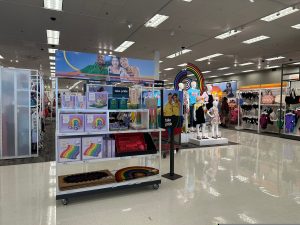
The backlash against a pullback on DEI policies has led to a slowdown in foot traffic and sales for Target. The retailer has created a brand that publicly supported DEI initiatives over the years and received a negative consumer reaction when it announced that it would change some of its policies.
Andrew Gosselin, a CPA and personal finance expert, told Retail Gazette US: “Pulling back on diversity, equity, and inclusion programs carries hidden costs that accountants eventually see. Consumers remember the store that invited everyone to belong, so when leadership steps away from that promise, it appears to be a broken handshake. The loss of trust shows up first in social media chatter, then in boycotts, and finally in eroding loyalty metrics. Inside the company, morale slips, talented employees move elsewhere, and innovation slows because teams that look alike often think alike. Rebuilding a culture of inclusion later costs more than sustaining it now. Modern shoppers weigh a brand’s ethics almost as heavily as the price tag.”
The major retailer that participated in promoting diversity within the company saw its sales slip by 3% following its decision to trim down its DEI policies. Switching brand values creates distrust among consumers, who value consistent ethics within a company. This leads shoppers to stray away from brands that fail to maintain a solid public image.
Scaling down employee benefits

Additionally, Target announced plans to slash its employee bonuses in March, with the staff only receiving 87% of their annual bonuses because of the slow financial performance. Companies that choose to lower their employee benefits can negatively impact their public perception.
Instead of thinking about a long-term strategy that could balance both mounting economic pressures and customer satisfaction, Target had a reactive response to its slowdown in sales.
Francisco Gaffney, CEO & Chairman of Trinity SES, commented on how Target’s decision was a wrong move: “Strategic missteps like those seen at Target show how disconnects between strategy and operations can damage brand reputation, employee morale, and financial results. The problems are deeper than just tactics; they point to systemic issues. Raising prices while cutting bonuses may ease short-term cost pressures but risks undermining trust among both customers and staff, signaling internal struggles. Without integrated systems to manage costs, supply chains, and performance data, it’s hard to respond quickly and effectively.”
Lack of transparency in response to tariffs

Target and other retailers have recently had to deal with the changing trade policies in the US, with Target’s strategy being ambiguous and not well executed. Target first warned customers of its price increases after the additional tariffs were announced, with the CEO Brian Cornell telling CNBC that customers would see price hikes in March. On a recent earnings call the retailer shared plans to reduce the financial impact of tariffs by diversifying its supply chain to offset costs.
He commented: “We have many levers to use in mitigating the impact of tariffs, and the price is the very last resort.”
Target responded with a calculated answer compared to other retailers, including Walmart, who confirmed that prices will go up in the upcoming months. When addressed about the situation, no direct answer was given to customers.
Cornell added: “We’re constantly adjusting pricing. Some are going up, some will be reduced, but that’s an ongoing effort that takes place each and every day.”
However, customers noticed prices for specific products have been quietly increased. The brand transparency was compromised as Target did not directly communicate with customers about its price hikes.
Valentin Radu, founder of Omniconvert and digital marketing expert, commented on why this was the wrong move: “When you’re already in an economy where consumers are watching every penny, even a small price increase can push them away. That’s what Target’s dealing with. Quiet price hikes feel sneaky, especially when inflation is still top of mind for shoppers. At the same time, cutting bonuses demotivates the workforce, which shows up in the customer experience. Sales aren’t just numbers on a sheet—they reflect trust, mood, and perception. When trust slips and your team is disengaged, that’s when the damage compounds. These aren’t isolated moves; they ripple out.”
The negative response aligns with a recent survey from Zappi that revealed that consumers are more price-conscious, with more than half (56%) stating that they would stop buying snacks, fast food, cosmetics, wine and spirits, and tech products if there was a 10% increase.
No response to customer feedback

Some of Target’s upgrades towards a more automated system have not been successful among customers, including its push towards self-checkout machines. Customers complained about the retailer quietly shutting down its self-checkout machines due to theft and security concerns.
However, Target did not publicly acknowledge the customer feedback and hailed the self-checkout strategy as a success in its blog post. The retail giant said the self-checkout strategy had improved its customer experience significantly across stores and plans to continue with the self-checkout strategy.
A spokesperson commented: “Target is not removing self-checkout. We offer it in the vast majority of our stores and have no plans to change this.”
Retail analyst Neil Saunders of GlobalData commented on how inconsistent messaging can affect a company. Saunders said to Daily Mail: “Target’s self-checkout policy has been through a lot of changes and has caused frustration for customers. The problem with Target is a lot of decisions are being taken centrally without proper thought about what they mean on the ground.”
The lack of transparency and response to the shoppers’ feedback erodes the customer loyalty and trust that its customer base has for Target.
Radu added on how Target can experience course correction for the future: “They need to get honest, internally and externally. Vague messaging won’t fix public perception or employee trust. The correction starts with clarity on direction, what values are being upheld, and what’s changing. Most of all, they need to stop thinking short-term and focus on rebuilding loyalty. That includes how they treat staff, how transparent they are, and how in tune they stay with customer expectations. It’s not about patching holes; it’s about resetting the foundation.”
Target has a strong foundation in the USA, serving as one of the top retailers for decades. Despite the dip in performance, the company does not have to rebuild from scratch, thanks to its strong footing in the American retail market, but has to find a way to reframe its brand values and respond to tariffs and customer complaints. Target needs to focus on its main consumer and adjust its strategy accordingly, instead of reacting to every situation without thinking of long-term consequences.
The first step forward for the retailer to restore its compromised customer loyalty is transparency, acknowledging some of its decisions that were not in staff members and shoppers’ best interests and changing based on the general feedback.
Click here to sign up to Retail Gazette‘s free daily email newsletter